
Namibia Reaffirms Commitment to End Malaria at World Malaria Day Commemoration
Ruacana, Omusati Region – Namibia used the commemoration of World Malaria Day 2026 to renew its commitment to ending malaria, with strong calls for urgent action, stronger community engagement, domestic investment, and regional collaboration to reverse the recent resurgence of malaria cases.
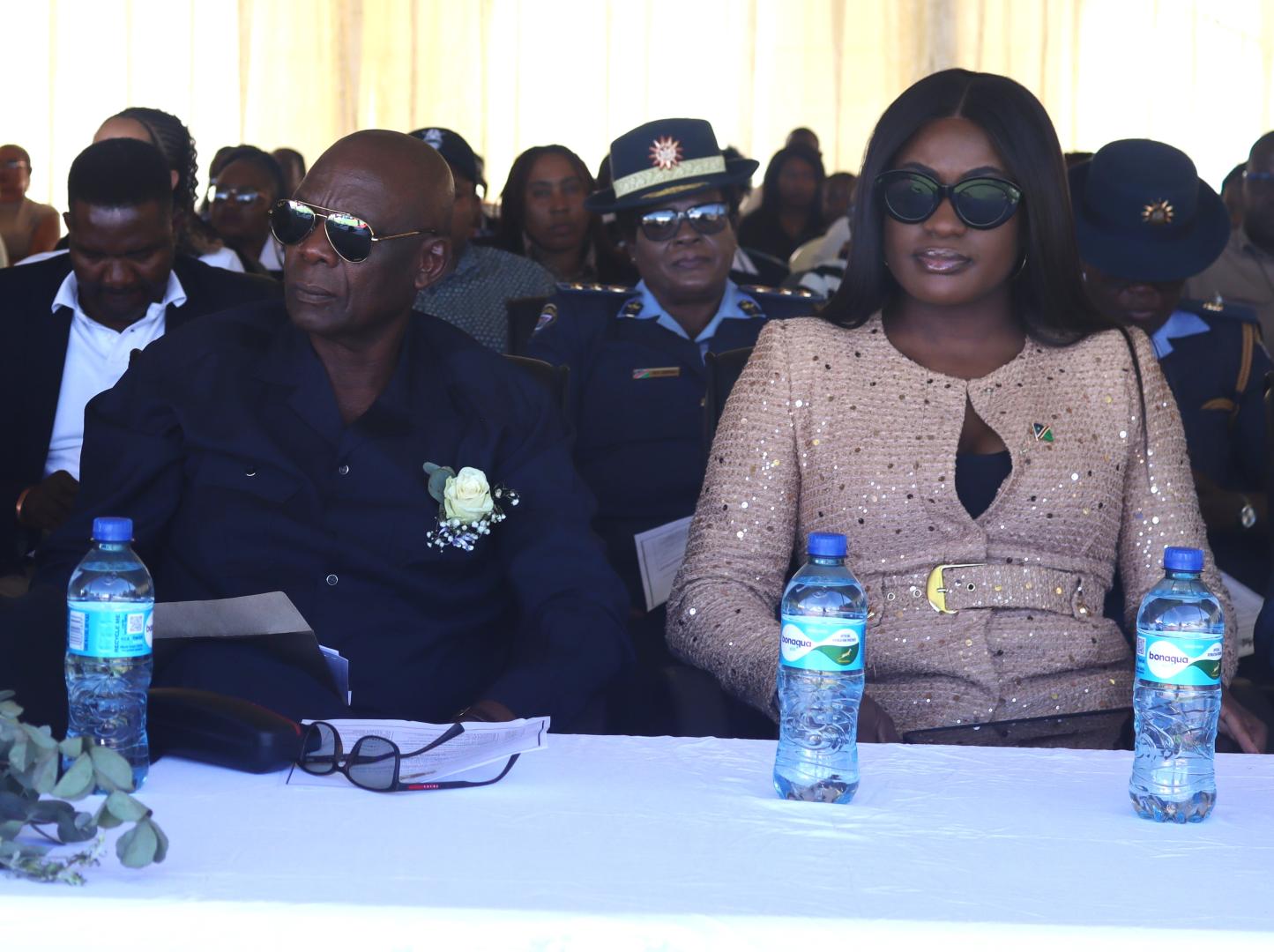
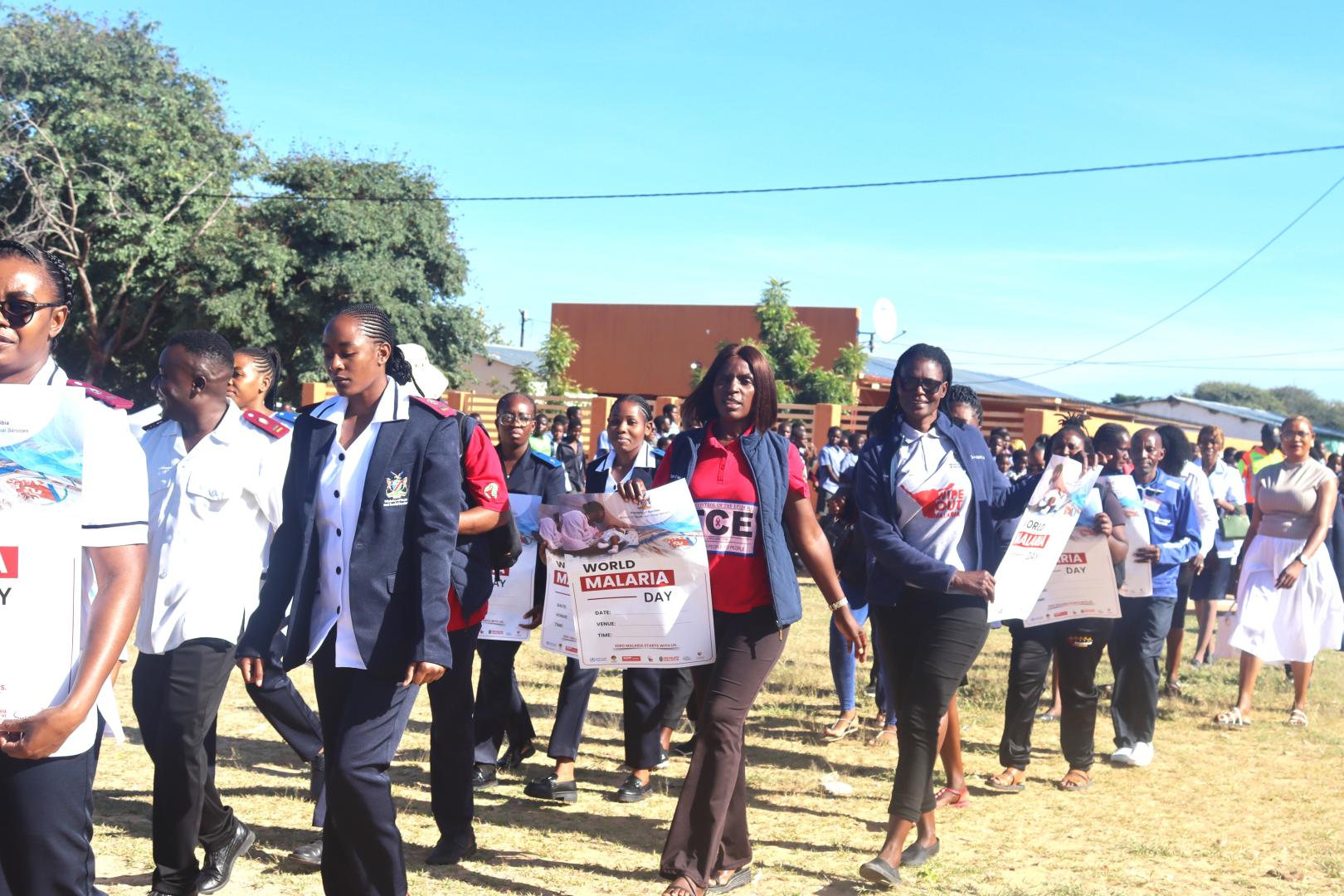
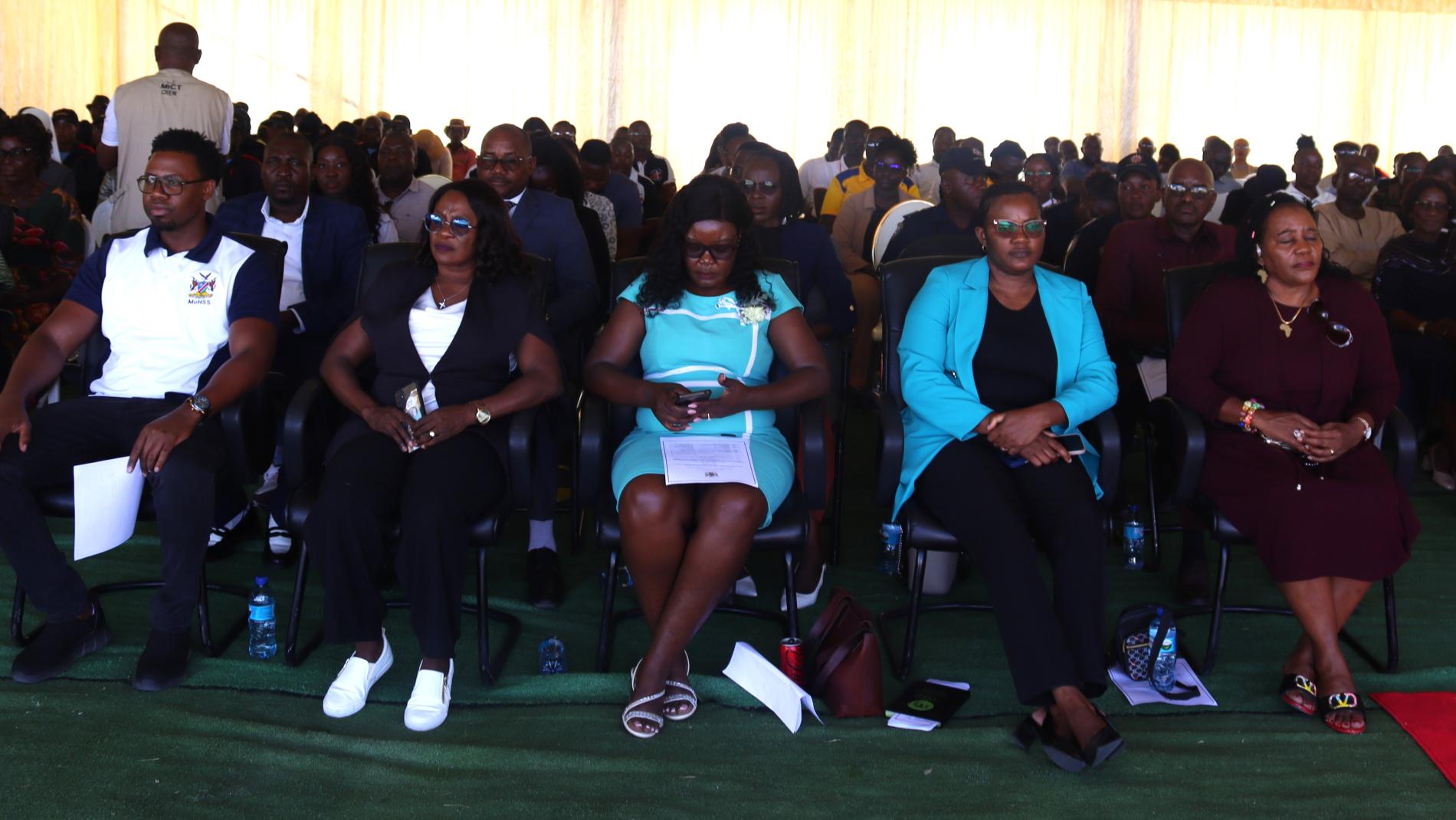
Held under the global theme “Driven to End Malaria: Now We Can. Now We Must.”, and Namibia’s national theme “Harnessing Knowledge, Prevention and Treatment towards Eliminating Malaria in Namibia,” the event brought together government leaders, development partners, faith-based organisations, and communities in one of the country’s malaria-endemic regions to recommit to malaria elimination.
Delivering the keynote address, Namibia’s Minister of Health and Social Services, Dr Esperance Luvindao said the country is facing a critical turning point in its malaria response.
She noted that despite previous progress and the ambitious targets outlined in the National Malaria Elimination Strategic Plan, Namibia has seen a worrying resurgence in malaria cases. In the first 14 weeks of 2026 alone, the country recorded more than 52,000 malaria cases and 61 deaths.
“Every life lost is one too many, because malaria is both preventable and treatable,” the Minister said, urging communities to seek early treatment, allow indoor residual spraying teams access to households, and actively participate in prevention efforts.
The Minister stressed that the country can no longer rely on business as usual and called for a renewed strategy that combines aggressive malaria control interventions with long-term elimination efforts, particularly in northern regions that continue to bear the highest burden.
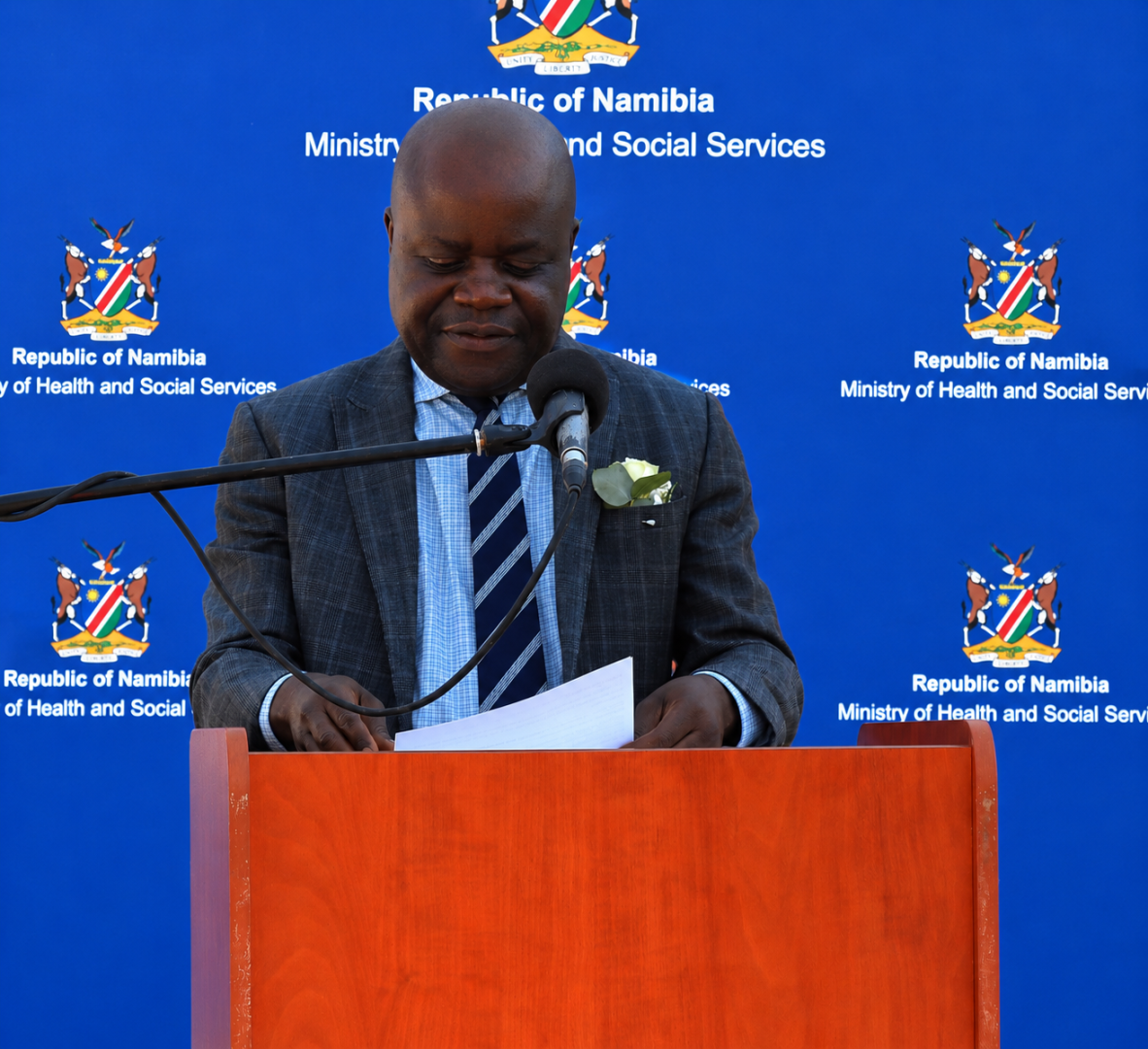
Speaking at the event, WHO Representative to Namibia, Dr Richard Banda reaffirmed WHO’s support to Namibia’s malaria response and emphasized that proven tools to defeat malaria already exist.
“Malaria does not wait,” Dr Banda said. “When prevention efforts slow down and vigilance drops, malaria resurges swiftly, placing young children and pregnant women at greatest risk.”
He highlighted the importance of insecticide-treated mosquito nets, timely indoor residual spraying, environmental management, early diagnosis, and prompt treatment as essential pillars of the response.
“The possibility of a malaria-free Namibia is within reach. Science is clear. The tools are available. Now we can. Now we must,” he said.
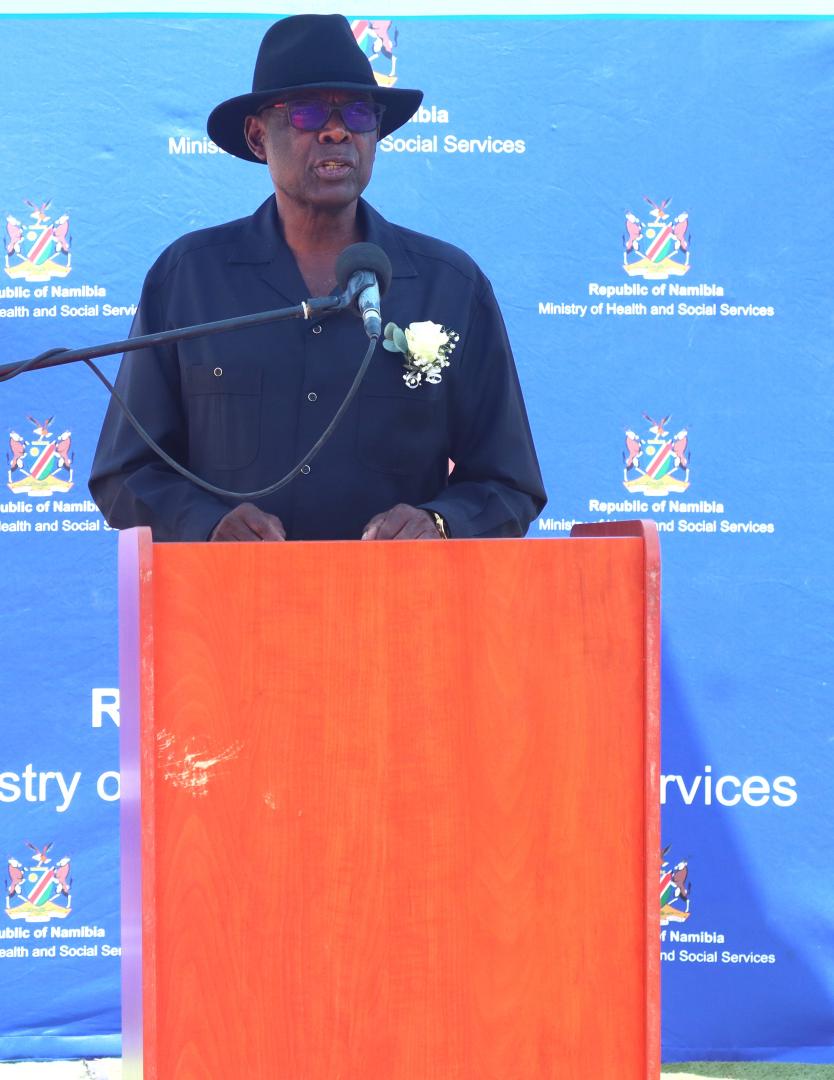
Adding a regional perspective, SADC Elimination 8 Ambassador, Dr Richard Kamwi said malaria elimination remains achievable in Namibia and the broader Southern African region, but only through bold leadership, sustained financing, and strong regional solidarity.
Dr Kamwi reminded stakeholders that malaria remains a major burden across Africa, accounting for more than 80% of global malaria deaths, particularly affecting children under five and pregnant women. He warned that persistent global funding gaps continue to threaten progress toward elimination targets.
He emphasized that malaria elimination requires country ownership and community-level action, noting that cross-border collaboration remains essential given the transboundary nature of malaria transmission in Southern Africa.
“Malaria elimination is possible where there is strong political will, adequate resources and collective action,” Dr Kamwi said, citing Namibia’s previous successes, including Khorixas district’s achievement in interrupting transmission, as evidence that elimination can be achieved.
Dr Kamwi also called for increased domestic financing, stronger accountability, and intensified local action to ensure no one dies from malaria, urging all sectors to work together toward a malaria-free Namibia, a malaria-free SADC region, and ultimately a malaria-free Africa.
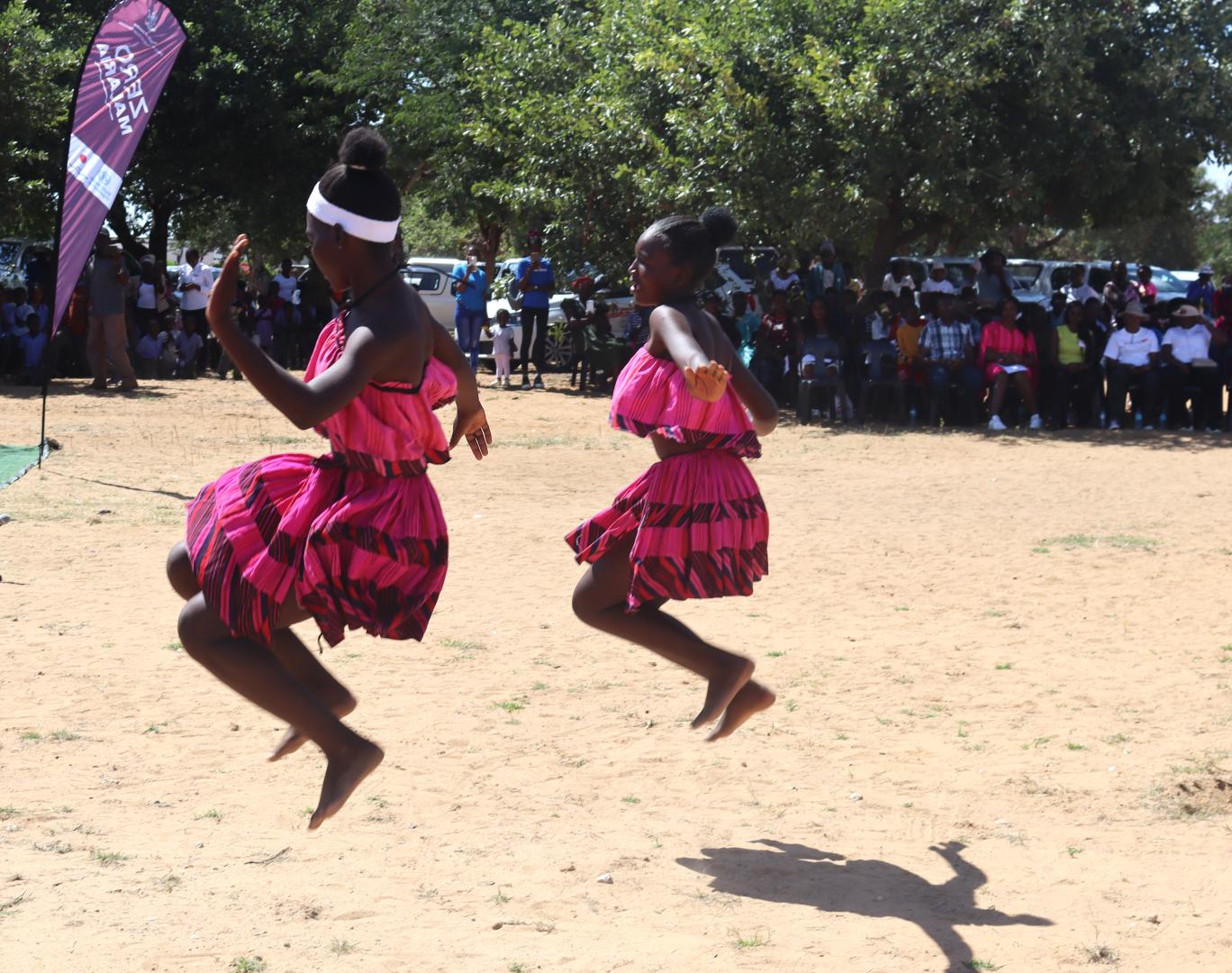
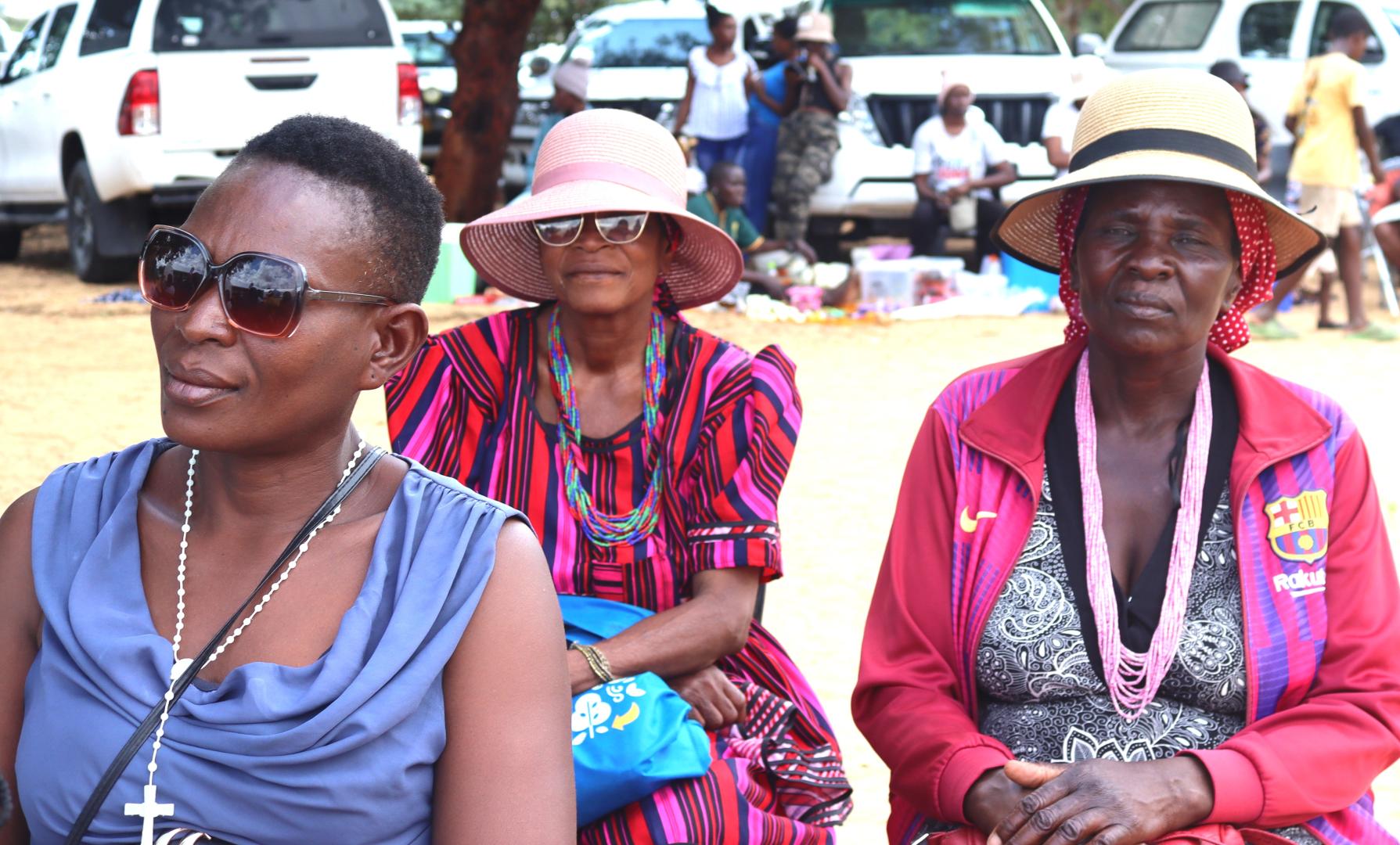
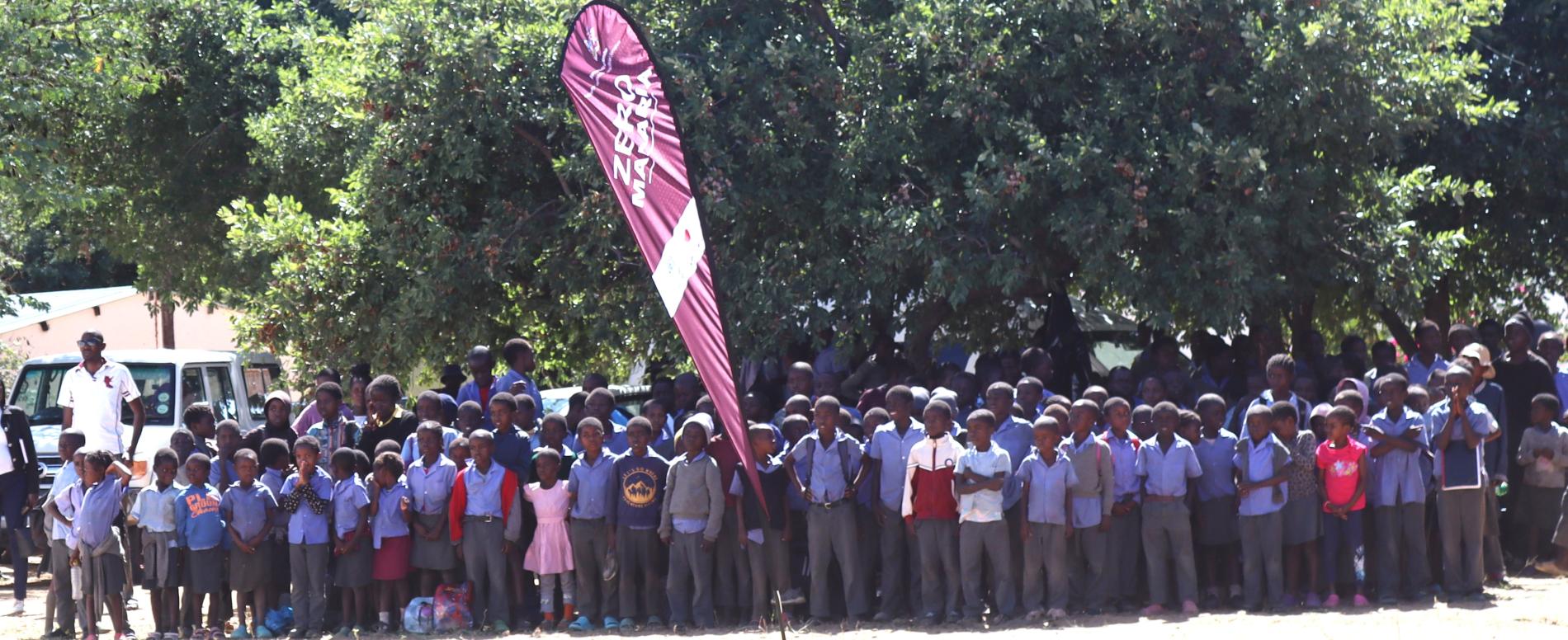
The commemoration also highlighted the important role of communities, traditional leaders, faith-based organisations, and development partners in sustaining the response, especially in high-burden regions such as Omusati, Kavango East, Kavango West and Zambezi.
As Namibia confronts the current outbreak, the message from leaders was united and unequivocal: malaria can be defeated, but only through urgent, coordinated and sustained action.
Tel: +264 (0) 61 255 121
Email: kaunatjikec [at] who.int (kaunatjikec[at]who[dot]int)